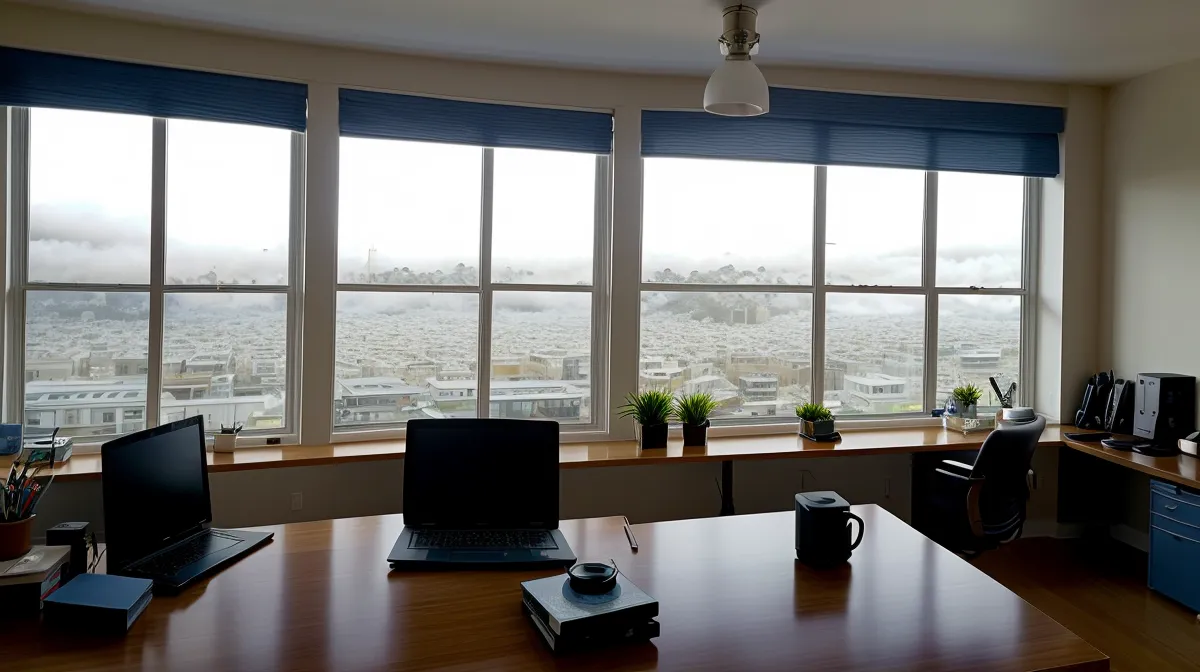
My thumb is already hovering over the Slack icon before I've even decided to pick the phone back up. I set it face-down on the nightstand, again, and count to ten before letting myself glance at it a second time. This is the Sunday Scaries in its purest form for me — not quite dread, more like my nervous system running a status check nobody actually asked for.
Winifred Cho — Freddie, to everyone at the office — is the only person who knows how bad it used to get. She was sitting three feet from me the day I actually nodded off mid-pitch to a client, chin dropping, silence stretching until someone finally cleared their throat. That was rock bottom. It's also the reason a marketing director with zero medical training started treating her own sleep like a real project instead of an afterthought.
The Sunday-to-Monday Handoff Is Its Own Project
Five days of work debt doesn't disappear just because the calendar flips to Saturday. Sunday night is really the first installment on a week's worth of accumulated sleep debt, and skipping the payment doesn't erase the balance — it just moves the due date to Monday afternoon, usually right around the status call.
Saturday mornings, I run into Freddie at the Ferry Building Farmers Market more often than not. She's been training for the Bay to Breakers every spring for as long as I've known her, and she's out there working through her pace before most of the city is even awake. Watching her stick to that schedule on a weekend taught me something about circadian anchoring that no app ever did — my Monday wake-up time gets decided on Saturday, by whatever time I finally dragged myself out of bed, whether I noticed the decision happening or not.
Building a Sleep Routine My Calendar Actually Respects
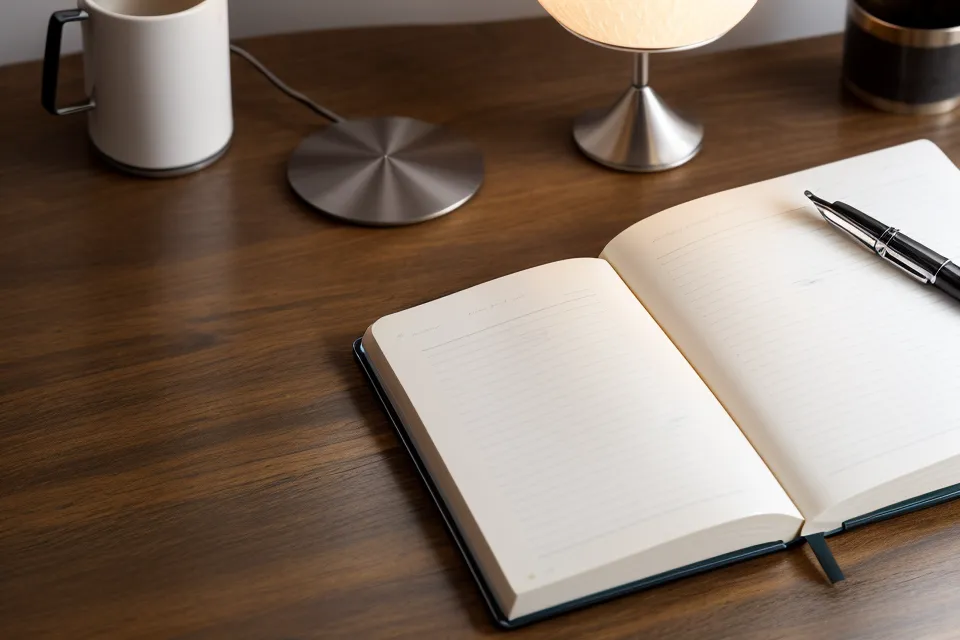
The habit that changed the most for me is what I call the brain dump. Before dinner on Sundays, I sit with an actual paper journal — the one that lives on my nightstand next to a water glass and my phone, face-down instead of propped against the lamp — and write down every loose work thread rattling around my head. Follow up on the Q3 numbers. Fix the intro slide for Monday's status call. Once it's on the page, my brain seems to accept the information is safely stored somewhere outside my skull, which cuts down on the middle-of-the-night jolt of remembering something I was supposedly forgetting.
That stress response is physical, not just in my head. I've written before about how to lower cortisol levels for better sleep after stressful weeks, and the short version is that getting the anxious cortisol spike to settle before bed matters more than any advice about pillows or playlists. I'm not a doctor and I don't pretend to be one — I just know what happens in my own body when a work thought hijacks my evening.
Cooling the Room Down Before I Cool Down
My apartment used to run warm because I like feeling cozy, and cozy was quietly wrecking my deep sleep. Somewhere in the last year I started dropping the temperature well before bedtime instead of after I was already lying there sweating, and the difference showed up in my wearable data almost immediately. Getting the room cold enough, early enough, turned out to be the cheapest fix out of everything I tried, cheaper than any product and faster than any app.
The mattress pad that keeps my side of the bed a few degrees cooler than the rest of the room might be the single best purchase I made all year. It wasn't an instant fix, though. For a while I kept waking up in a genuine cold sweat because my brain was stressed and my bed was still too warm, and finding the best cooling mattress pads for high stress night sweats ended up mattering more than I expected going in.
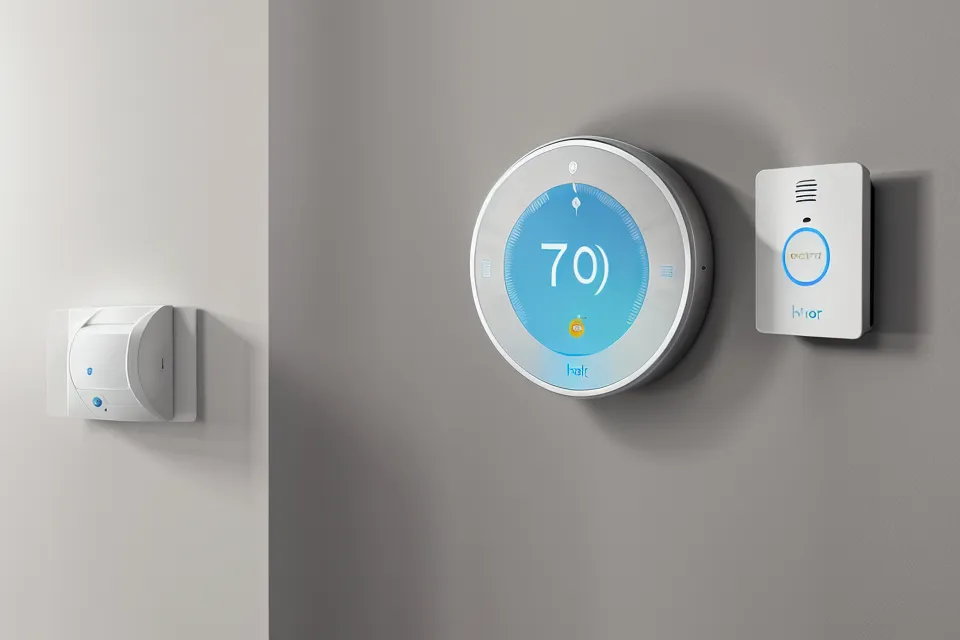
There's a whole stack of environmental factors working together here — temperature, light, noise — and none of them do much on their own. I go deeper into dialing in the actual numbers in my piece on optimal bedroom temperature for sleep during high stress work weeks, if you're trying to build out your own setup. If you have circulation issues or other health concerns, check with your own doctor before changing anything — I'm speaking from trial and error, not medical training.
What Actually Backfired
Pulling an all-nighter to save a deadline felt heroic in the moment. I finished the deck, sent it at 4 a.m., and told myself I'd catch up on rest later. Later never really came. The two nights after that all-nighter were worse than the all-nighter itself — I'd wake up at 3 a.m. wired for no reason, and it took most of the week to feel like myself again. Sleep debt doesn't get repaid in one lump sum. It gets collected in installments whether you planned for that or not, usually at the worst possible time.
Compensating with a 3 p.m. coffee the next day didn't help. Caffeine's half-life means that cup was still partly active in my system at bedtime, quietly working against the exact rest I was trying to catch up on.
The tracker obsession was its own disaster. At one point I had three different sleep-tracking apps running at once, cross-referencing their scores like I was auditing a vendor contract, convinced one of them was lying to me. Instead of actually resting, I'd lie there running the numbers, checking my phone the second I woke up to see how my sleep architecture had scored overnight — deep sleep percentage, REM cycles, a readiness score that somehow always disagreed with how I actually felt. I deleted two of the three apps eventually and made peace with simply paying attention to how I felt in the morning instead of arguing with a graph.
Digital Sunsets: Worth the Withdrawal
We talk endlessly about the morning commute and never about the evening one. The transition from a laptop screen to an actual bed is its own kind of trip, and I used to think I could make it in about four seconds — answer one more Slack message, close the laptop, fall asleep instantly. It never worked that way. The blue light was never really the problem. It was the emotional spike of an unresolved work request landing in my head right before I needed to be unconscious.
Building an actual buffer between screen time and sleep time did more for me than any single supplement or gadget I tried. Some people call it a digital cutoff. I just call it turning the phone off on purpose instead of by accident.
There's a specific kind of silence that happens the moment I actually shut the laptop lid instead of letting it drift off on its own. Something in the room changes — a low mechanical noise disappears, and the quiet that's left behind feels almost like permission to stop.
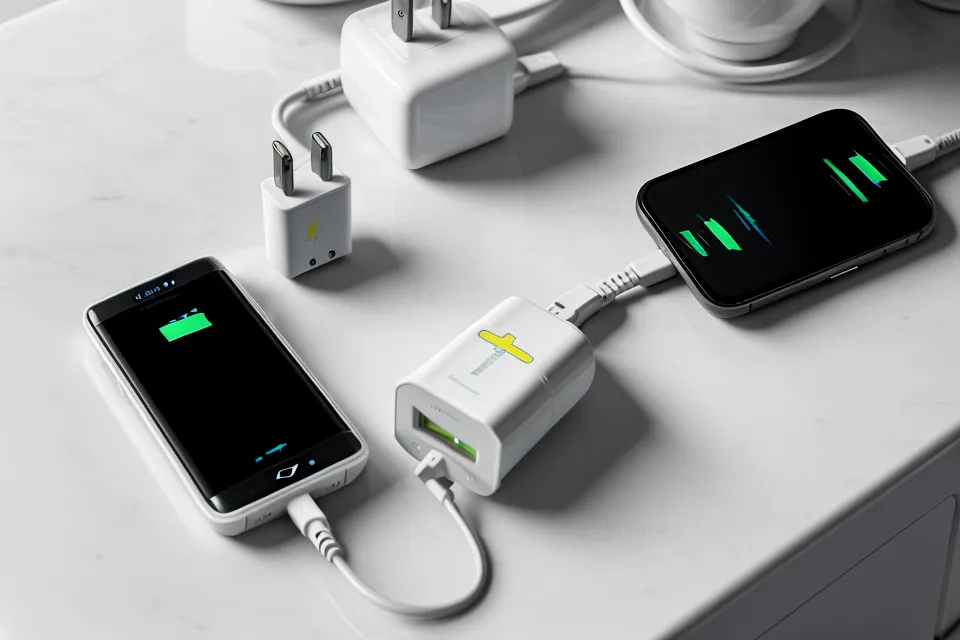
My phone charges in the kitchen now, not the bedroom, at a set time every Sunday. The first few weeks were rough. I felt twitchy, like I was going to miss something urgent, like stepping away from my inbox for eight hours made me a worse employee instead of a better-rested one. Work-life balance is not something I've actually mastered, not even close, but a phone across the apartment instead of six inches from my face turned out to matter more than any app I downloaded.
A glass of wine on a rough Sunday might take the edge off, but that's sedation, not rest. My body still keeps the tab open even when my brain feels pleasantly foggy for an hour.
The Supplement Stack I Had to Dismantle
For a stretch of a few months, my nightstand looked like a small pharmacy. Magnesium, L-theanine, a sleep blend tea, a tincture a colleague swore by — I kept adding whatever the newest recommendation was without ever taking anything away. It worked, technically, for a while. Then I noticed I couldn't fall asleep without going through the entire lineup, like my body had started treating the ritual itself as the requirement instead of the sleep it was supposed to produce. That's when I realized I'd built a dependency, not a routine.
I pulled almost everything off the nightstand and kept exactly one thing for genuinely rough weeks. The rest went in a drawer. I'm not going to get into ingredient breakdowns or dosing here — that's not my lane, and it's exactly the kind of question you should ask an actual doctor, not a marketing director with a notebook. What I can say is that fewer things, used less often, worked better than the full stack ever did.
Sleep Optimization Isn't a Personality Trait
A work conference three time zones east undid a month of progress in about two days. I landed exhausted, tried to power through a full agenda on airport-quality sleep, and grabbed naps whenever I could between sessions, which mostly left me groggier than before I'd closed my eyes. That grogginess wasn't ordinary tiredness. It was sleep inertia, and it doesn't care how important your itinerary is. By the time I flew home, it took the better part of a week to get back to where I'd started.
By the fourth week of actually sticking to the routine, mornings had quietly changed. One Thursday I woke up on my own, a few minutes ahead of the alarm, and just lay there for a second registering that I wasn't bracing for anything. No mental scramble already loading before my eyes were even open. Just awake, early, and fine.
A reader named Belinda Sato messaged me a while back after finding the blog through LinkedIn. She'd had almost the exact same thing happen to her during a Zoom all-hands, and she works in healthcare administration, where the scheduling stress is its own particular beast. She's methodical, the type who tracks everything in a spreadsheet before trying anything new, and she asked me which single change mattered most. My answer surprised her. Not the supplements, not the tracker, not even the cold room. It was picking one habit and keeping it long enough to actually notice a difference, instead of overhauling everything on a Sunday and burning out on the whole project by Wednesday.
I still check email before bed some nights. I still answer things that could probably wait until Monday. Progress, not perfection — my therapist's words, not mine, and they're annoyingly accurate. That's the one thing I'd tell any exhausted professional to start with: not a perfect routine, just one habit held long enough to actually work.