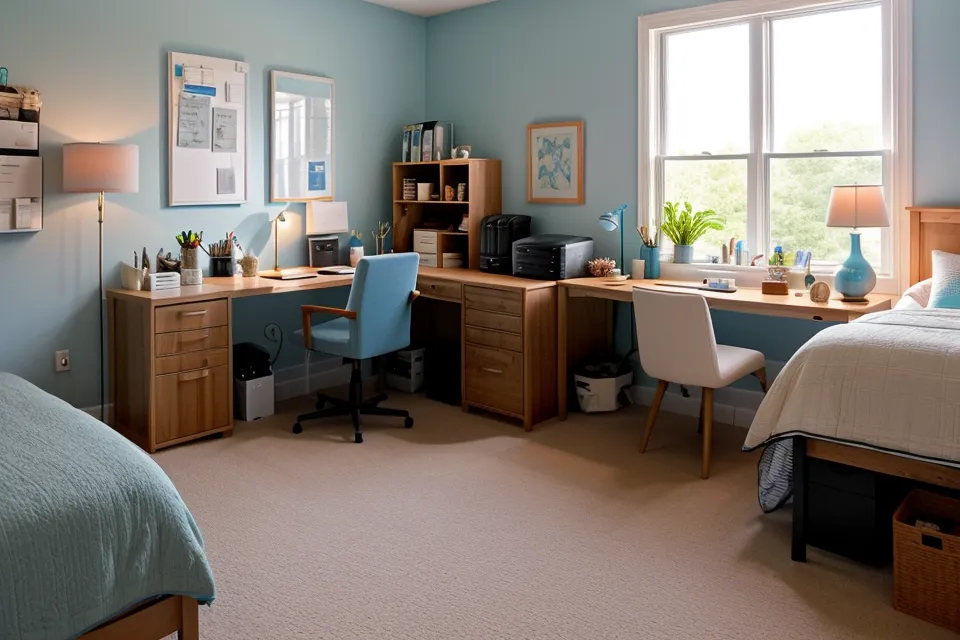
A brain dump on paper before you shut the laptop empties your head. The same list, typed into a phone in bed, just fills it back up. That's the part nobody corrects: dumping your thoughts anywhere, at any hour, on any surface, does not count as the same move. Somewhere along the way I started treating a legal pad and a notes app as interchangeable stress-management tools, then spent weeks wondering why one left me groggy with relief and the other kept me wired with nine work tabs still open behind my eyes. The gap between those two outcomes is basically everything I've figured out about work-life boundaries after the laptop closes — and about how well you actually sleep once the list is finally off your plate, not just written down somewhere.
The Brain Dump Myth Everyone Gets Wrong
Here is the thing most advice about brain dumps skips: it treats the list itself as the fix. It isn't. Your brain doesn't loop on unfinished work because it's disorganized — it loops because of something psychologists call the Zeigarnik Effect, the tendency to remember interrupted or incomplete tasks far more vividly than finished ones. Marketing has an endless task list by design, so this was never strictly a nighttime problem. It's an open-loop problem. I once caught myself mid-sandwich at Dolores Park on a Tuesday lunch break, mentally rewriting the same subject line for the third time that day, nowhere near a bed or a deadline. The loop doesn't wait for dark. It just gets louder once there's nothing left around you to compete with it.
So the myth — write it down and you'll sleep — misses the actual mechanism. Writing something down only works if it convinces your brain the information is safely stored somewhere else. A rushed list, done carelessly or too close to lights-off, doesn't convince anyone of anything.
Does Timing Actually Matter?
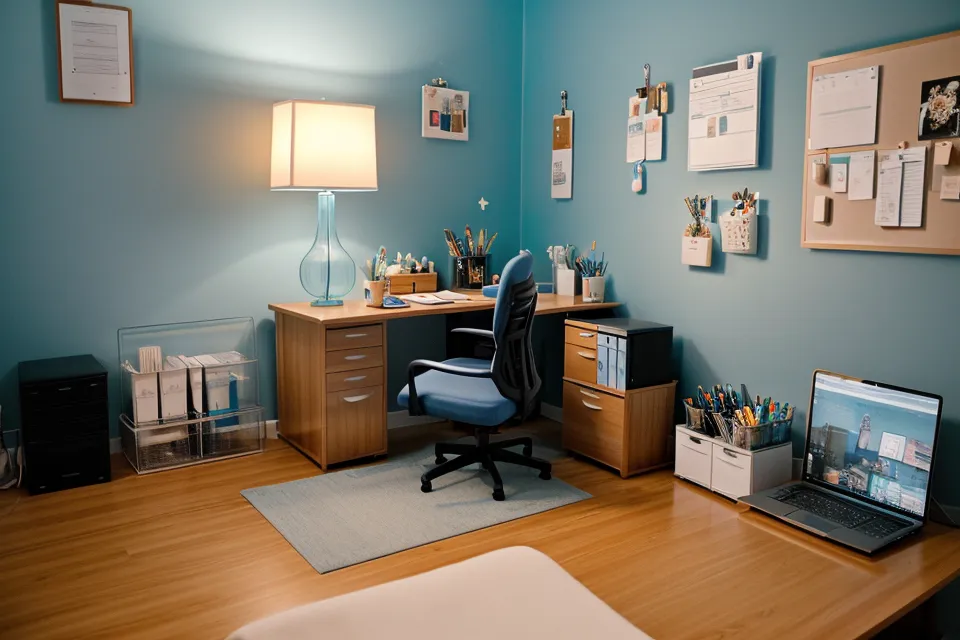
Yes, more than the list itself does. I learned this by doing the dump right before my head hit the pillow for a stretch of weeks — feeling briefly organized, then lying there with my heart going because I'd just spent twenty focused minutes rehearsing my most stressful projects. That's a second wind of work-anxiety wearing an organization costume. Cortisol doesn't drop just because a task moved from your head to a page; it needs actual time to settle, which is a big part of why a lot of sleep advice promising instant calm falls apart under a real workload.
My rule now is at least two hours before I want to be asleep, usually right when I close the laptop for the night. It works like a ritual close of the shop rather than a sedative. Give your nervous system that runway and it actually comes down off the peak, instead of being asked to do it in the ninety seconds before your eyes close. None of this erases whatever sleep debt a rough quarter has already put on the books. That's a separate account you pay down over time, not something one good list clears in a night. The buffer at least stops you from adding to it every single evening.
Paper, Not the Notes App
The first attempt I made at this was a notes app, thumbed out under the covers, and it backfired completely. Opening any app near bedtime means opening the same ecosystem that's stressing you out in the first place — a stray Slack badge, an email icon with a number on it, and your brain pivots instantly from dumping thoughts to processing new ones. I've written before about ditching screens near bedtime entirely in The Late-Night Screen Experiment: What Happened When I Finally Unplugged Before Bed, and the brain dump turned out to be the missing half of that same boundary — the digital cutoff means nothing if the notebook replacing your phone is still, functionally, a screen.
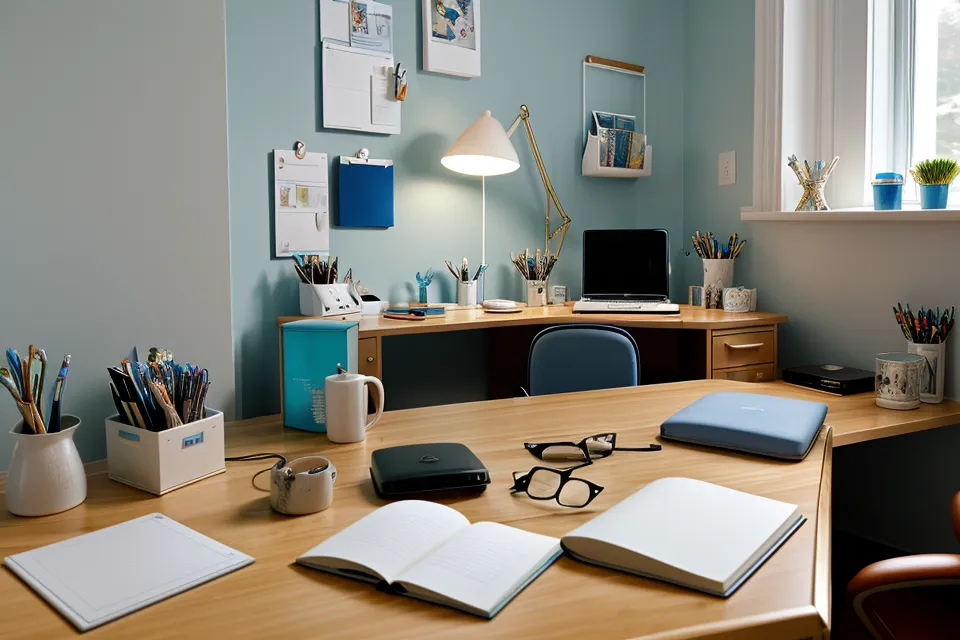
Now it's a legal pad and a pack of ballpoint pens, kept on the standing desk in the corner of my bedroom — the same desk where, if I'm honest, the laptop still sometimes reopens after ten because "just one email" is a lie I tell myself more often than I'd like to admit. The pen lives on the nightstand next to a water glass, phone face-down beside it, and even the side of the bed I haven't rolled into yet still holds that cool, untouched patch of sheet — which is somehow the most convincing early sign that the night might actually go fine. My friend Damien has sent me sleep articles at eleven at night more times than I can count, entirely without irony, and I've started wondering if he needs a legal pad more than I do.
Where My Work-Life Boundaries Actually Get Drawn at Night
Not everything I tried worked, and I should say so plainly. I drank chamomile tea every night for two weeks, on schedule, no exceptions, and my sleep score did not move a single point. Not one. It felt like doing everything right and getting nothing back, which is its own specific kind of frustrating when you're already running on fumes from a fifty-hour week.
A former colleague, Rowan Ng, found this blog by accident a while back and messaged me that he couldn't believe I'd actually written all of it down. He runs a control week before he changes anything about his own routine (no new habit, no new tool, just a baseline) and it's honestly the more disciplined version of what I'm describing here. Test one variable, watch it, then add the next one. The brain dump is one variable. Screen cutoff is another lever entirely. So is how late your last coffee lands, given how long caffeine actually lingers in your system, and whether your wake time is steady enough to anchor your body clock the same way every morning. Room temperature matters, and so does whether you're overheating under the wrong bedding by three in the morning. Whether you're breathing through your nose or your mouth by the time you're asleep matters too. A late snack can quietly work against all of it, a nightcap can sedate you into something that only looks like rest, and a bad nap earlier in the day can leave you groggier than you were before you closed your eyes. Stack enough of those against you and no amount of paper and pen fixes the night on its own.
Sleep Is a System, Not a Single Trick
The corrected version of the myth is this: a brain dump does exactly one job — it closes an open loop so your brain stops standing guard over it. It does not rearrange your sleep architecture, and it will not save you if you do it at midnight on a lit-up phone screen. Do it on paper. Do it at least two hours out from lights-off. Be specific — the big scary line item and the annoying little one about a font size both belong on the page, because vague entries don't convince your brain of anything.
What actually convinced me it was working wasn't a tracker or a score. My dentist mentioned, mid-cleaning, that my jaw had finally stopped clenching — before I'd said a word to her about anything I'd changed. That's the kind of evidence that doesn't come from an app. Morning light matters too, which I get into in Why I Prioritize Morning Sunlight for Better Sleep and Work Energy, because a body clock anchored properly in the morning makes the whole evening routine easier to hold onto. I still check email before bed some nights, even knowing better. Progress isn't the same as perfect, and I'd rather hand you the honest, unglamorous version of this than a tidy one that falls apart the first time your inbox does.