
What do you actually do when the thing that's supposed to knock you out is the same thing wrecking your mornings? I sat with that question through most of a stretch of burnout I don't love remembering. Quick disclosure up front: this post includes affiliate links, including one for SleepLean, the melatonin alternative I switched to, and if you buy through them I earn a commission at no extra cost to you. I only write about supplements I've actually tested during my own high-stress work weeks.
What Actually Tells You Melatonin Has Stopped Working?
Here's the thing: by the time I noticed a problem, I'd been leaning on the strongest over-the-counter melatonin dose I could find, most nights, for months. It worked, technically. I fell asleep. But mornings turned into wading through fog, my eyes gritty and my thoughts slow, like I was running everything through a filter that hadn't been cleaned. That's the tell nobody talks about: if the thing that's supposed to help you sleep is also the reason you can't think clearly by 9am, it's not doing its job anymore. It's just borrowing energy from tomorrow.
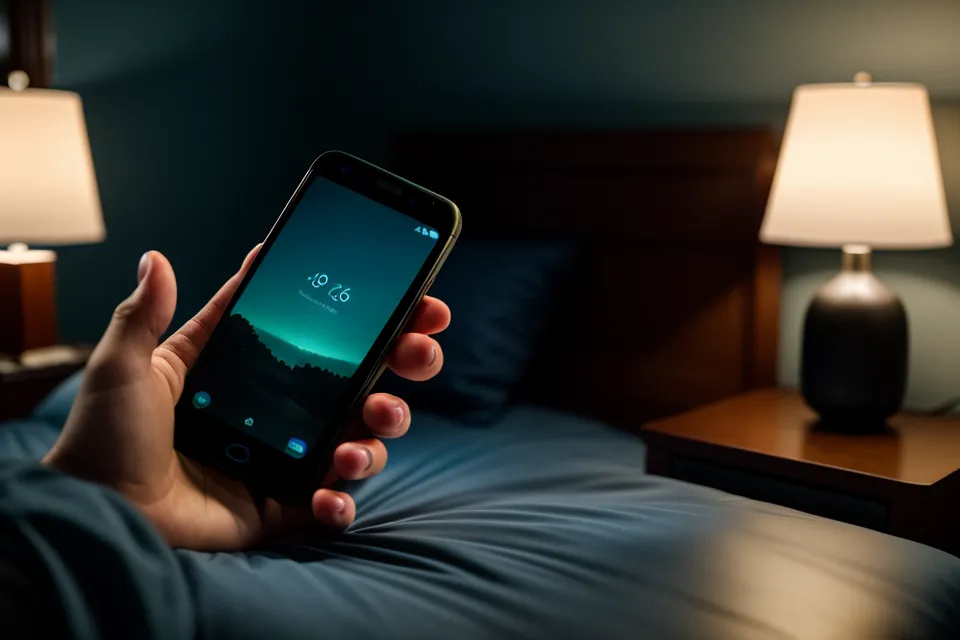
One thing I tried before switching anything chemical: a strict thirty-day no-screens-after-nine rule, written on a sticky note above my desk like a covenant, partly because I'd read that blue light from a laptop screen doesn't do a stressed nervous system any favors before bed. It fell apart by day five, the week a product launch blew up and I was answering emails from bed until midnight anyway. That failure taught me something useful — a rule that can't survive a bad week isn't a system, it's a wish. Whatever replaced the melatonin needed to work even when my discipline didn't show up.
None of this happens in isolation, either. A single bad melatonin habit doesn't exist on its own — it sits on top of a pile of sleep debt you haven't paid down, a laptop that comes to bed with you instead of staying in the other room, a bedroom that's the wrong temperature for actual rest, naps that leave you groggier than before you closed your eyes, and a bedtime that moves around so much your body never gets a reliable signal for when night starts. I finally traced part of my own fog to a habit I've written about separately — when to stop drinking caffeine for better sleep on high stress days — because timing that badly undercuts everything else you're trying to fix.
A Control Week Beats Guessing Every Time
A former colleague named Rowan Ng reached out after he stumbled on this blog and recognized my writing voice immediately — small world, marketing circles in this city are smaller than they look. Rowan does something I now recommend to anyone asking where to start: he runs a control week before he changes anything, tracking his sleep exactly as it already is, no new supplement, no new routine, just a baseline. It's the same logic as not touching your campaign spend mid-quarter without knowing what the numbers looked like beforehand — you can't tell if something worked if you never measured the starting point. That baseline is also where you actually notice your sleep architecture, the shape of a night rather than just the hours in it, and whether what you're calling eight hours of sleep is really eight hours or four broken ones stitched together.
Cortisol plays into this more than people expect. A stress spike late in the day that hasn't settled by bedtime will sabotage even a perfect supplement choice, which is part of why I stopped treating any pill as the whole fix. Melatonin is a timing signal, not a sedative. Mistaking it for a knockout pill is exactly why the dose keeps creeping up while the sleep keeps getting worse. Once I understood that distinction, the high-dose habit made a lot more sense as a mistake, not a stopgap.
The Sledgehammer Approach Has a Ceiling
Pushing the dose higher doesn't fix a system that's already overwhelmed — it just knocks you out harder without addressing why you needed knocking out in the first place. Somewhere in there I decided I wanted something that supported actual rest instead of just overriding my nervous system every night, and I went looking for a melatonin-free option instead of a stronger version of the same one. That's how I landed on SleepLean, which leans on a formula built without melatonin in it at all, paired with a metabolism angle that mattered to me since stress had been driving late-night cravings I couldn't seem to shake.
Cravings, it turns out, aren't a willpower problem so much as a stress-and-sleep problem — I've written a full breakdown of managing late night cravings if that's your particular flavor of struggle, but the short version is that under-slept and over-caffeinated is a rough combination for anyone's 10pm decision-making. My friend Damien Ulrich, who keeps hours almost as brutal as mine, sends me sleep articles at eleven at night without a trace of irony, which is either deeply caring or deeply on-brand for both of us. Some of the calmer stretches of this whole process happened at a corner table at Blue Bottle Coffee at One Ferry Building, reading through what I'd found on my phone instead of doom-scrolling Slack, which sounds small but changed what my evenings actually looked like.
Nights used to end with me flipping the pillow to the cold side around three in the morning, wide awake for no reason I could name, running through tomorrow's meetings instead of sleeping through them. That specific kind of restlessness — the kind that isn't tied to any one bad day, just a nervous system that never fully stands down — is what I was actually trying to solve, more than chasing a single number on a sleep tracker. What changed wasn't a switch flipping overnight. It was that the 10 PM marketing brain second wind stopped showing up as reliably, and getting tired at a normal hour stopped feeling like an accident.
Judging Whether It's Actually Working
Judging whether a switch like this is actually working shouldn't come down to a single dramatic morning. That's a trap I fell into with melatonin too, chasing the occasional great night instead of tracking the pattern. The clearest signal for me showed up in a completely ordinary moment: presenting a client deck at eight in the evening, mid-sentence, and the words were just coming out — no scrambling for a phrase that had gone missing, no dead air while I hunted for the thread. That's the actual test I'd hand anyone comparing sleep approaches: not how fast you fall asleep, but whether your brain still works normally under pressure eleven or twelve hours later. I've spent about a year now testing this kind of sleep optimization during my worst weeks, and the pattern holds more than it doesn't.

The Rest of the Toolkit
SleepLean isn't the only piece of this, and it won't fix a fifty-hour week by itself — I still have to actually build in a proper decompression stretch before bed, and I still feel guilty leaving Slack unread overnight more nights than I'd like to admit. For anyone curious about other angles I've tested, there's a Yu Sleep review that leans more into the burnout side of things, and a separate look at Resurge for anyone working with a tighter budget who wants something more established, even if the formula shows its age a bit. None of these are a ranking so much as different tools for different weeks.
None of this is medical advice, and if insomnia is a persistent, serious problem for you, a doctor is a better resource than any blog post, mine included. But if you're just tired of what a heavy melatonin habit does to your mornings, switching to SleepLean was the change that actually stuck for me, and it might be worth a look before you reach for a higher dose of the same thing that's already not working. Progress here has never been dramatic. It's been quieter than that — closer to finally trusting my own evenings again.
Go easy on tonight's version of you. The inbox will still be there tomorrow, unread count and all.