
It was mid-May in New York, and I was staring at the ceiling of a hotel room that cost more per night than my first car. I had a pitch at mid-morning with a legacy brand—the kind of meeting where you need to be sharp, witty, and 'on.' Instead, I felt like a shell of a human. My eyes had that specific, gritty sandpaper feeling, and my brain was stuck in a loop about a Slack thread I should have ignored three hours earlier.
Look, I’ve been the marketing director who wears her exhaustion like a designer blazer. I thought being chronically tired was just the price of admission for a 50-hour work week in San Francisco. But after a particularly humiliating moment where I actually nodded off during a quarterly business review last year, I decided I was done. I’m not a doctor, and I’m definitely not one of those wellness influencers who wakes up at 4 AM to meditate. I’m just a professional who got tired of being tired and decided to treat my sleep like a project launch.
Traveling for work is the ultimate stress test for your sleep hygiene. You’re in an unfamiliar bed, the air is bone-dry, and your brain is convinced that every floorboard creak is a threat. Since I started documenting what actually works, I’ve turned my hotel stays into a science. It’s not about perfection—my therapist reminds me of that constantly—but it is about survival. Here is how I manage to get decent rest when I’m three time zones away from my own pillow.
The Environmental Audit: Negotiating with the Room
When you walk into a hotel room, your brain is immediately on high alert. Evolutionarily speaking, we aren't meant to sleep deeply in new places. It’s called the 'First Night Effect'—one hemisphere of your brain stays slightly more active to monitor for predators. Since there aren't many saber-toothed tigers in a Midtown Marriott, that 'predator' usually takes the form of the glowing green light on the smoke detector or the hum of the ice machine down the hall.
My first move is always the light audit. Hotel blackout curtains are notorious for having that one-inch gap in the middle that lets a beam of streetlamp light hit you right in the face. I’ve started traveling with three large binder clips. It sounds ridiculous, but snapping those curtains shut is the most satisfying part of my check-in routine. I also carry a small roll of black electrical tape. I use it to cover every single LED—the microwave clock, the TV standby light, the thermostat glow. If it emits blue light, it gets taped.
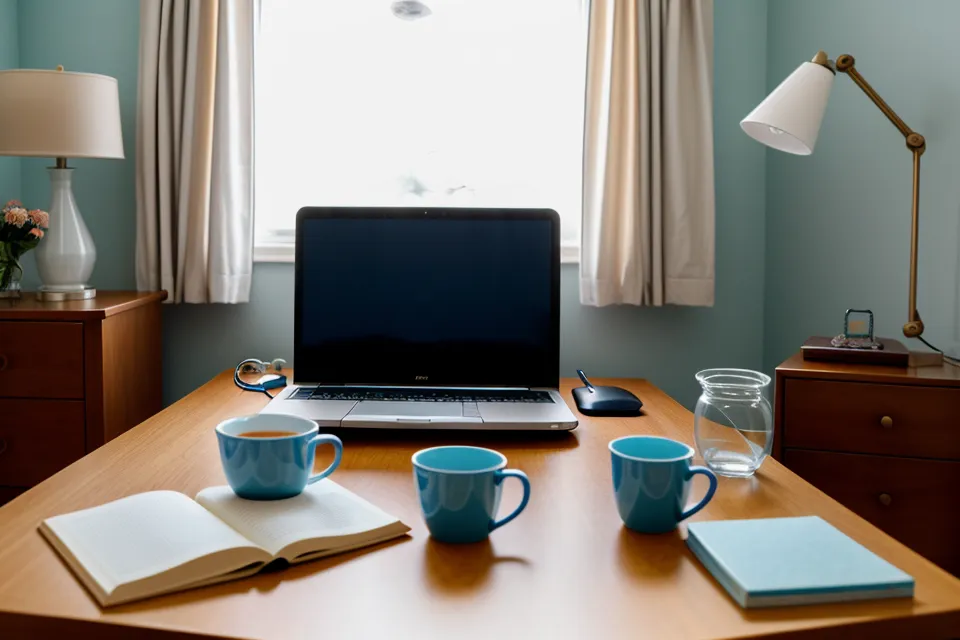
I also have to address the 'tech noise.' In 2026, every hotel room is 'smart,' which usually just means there are more things to beep at you. I unplug the bedside tablet and the desk lamp's USB hub. If I can’t unplug it, it gets covered. The goal is a room so dark I can’t see my hand in front of my face. It feels like I’m prepping a darkroom for film, but it’s the only way to signal to my circadian rhythm that the workday is actually over.
The Temperature War: Bypassing the Motion Sensors
There is nothing that ruins my sleep faster than waking up in a sweat because the hotel decided to save five dollars by turning off the AC at midnight. Most modern hotels use motion-sensing thermostats. If you don't move for two hours (because, you know, you're sleeping), the unit assumes the room is empty and lets the temperature spike. I learned this the hard way during a trip to Chicago this past February when I woke up shivering and then roasting in a 20-minute cycle.
Here is the thing: most of those thermostats have a maintenance override. A quick search for the model number usually reveals a 'secret' button combo—often holding 'Display' and 'Off' simultaneously—that puts the unit into VIP mode. This keeps the fan running and the temperature stable all night. I set mine to 67 degrees. It’s the sweet spot for deep sleep, and it helps combat the high-stress night sweats I still get before big presentations.
If you're like me and struggle with temperature regulation even at home, you might find that hotel sheets are just too heavy or too synthetic. While I can't pack my whole bed, I’ve found that focusing on cooling strategies makes a huge difference. I’ve written before about finding the best cooling mattress pads for high stress night sweats, and while I can't bring a pad on a plane, I do bring a lightweight silk travel liner. It’s a small bit of home that keeps the 'sandpaper' feeling of hotel linens at bay.
The Visual Anchor: Why Total Darkness Might Be a Lie
I’m going to contradict myself now. While I spend ten minutes taping over LEDs, I’ve realized that 100% total darkness can actually trigger my anxiety if I wake up in the middle of the night. If I don’t know where the bathroom door is or which way the bed is facing, my cortisol spikes. I call it 'the hotel disorientation panic.'
My fix? I leave the bathroom door cracked about two inches with the light off, but I keep a tiny, dim nightlight plugged in there (or I leave the hallway light on with the door almost closed). This creates a very faint 'visual anchor.' If I wake up at 3 AM, my brain instantly recognizes the layout of the room. 'Okay, I’m in Austin, the door is there, I’m safe.' That three-second recognition prevents a full-blown wake-up. It’s about managing that 'First Night Effect' without letting it turn into a four-hour ceiling-staring session.
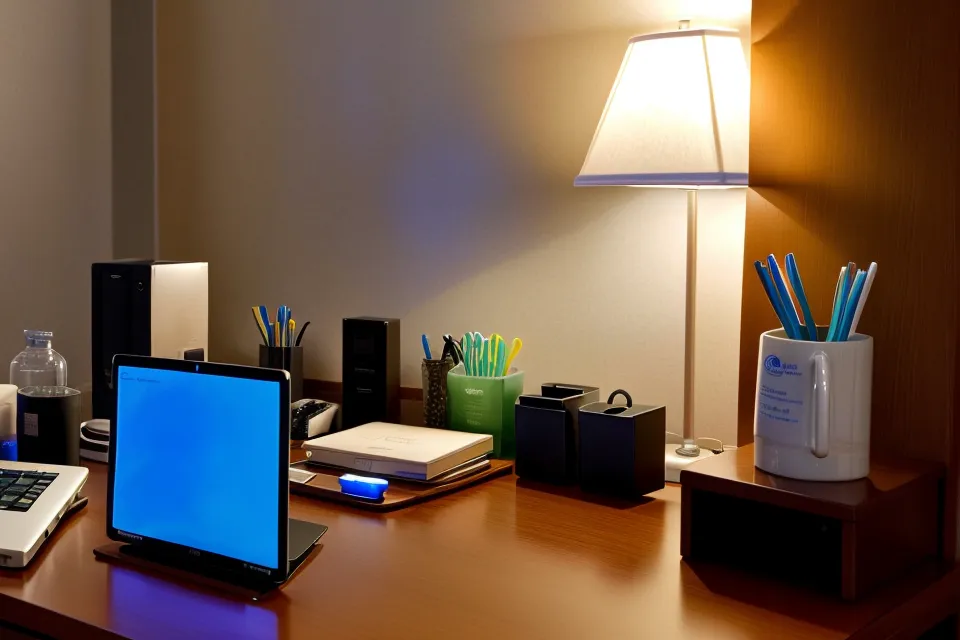
I’m obviously not a health professional, and if your insomnia is keeping you from functioning, you should definitely talk to your own doctor. For me, these environmental tweaks were the 'low-hanging fruit' that allowed me to actually start working on the mental side of sleep.
The Digital Boundary: Inbox Triage vs. Rest
The hardest part of business travel isn't the bed—it's the 'always-on' expectation. When you're in a different time zone, your Slack notifications never stop. If I’m on the East Coast, my SF team is still firing off 'quick questions' at 9 PM my time. I used to answer them from bed. I told myself I was being 'efficient,' but I was actually just keeping my brain in a state of high-beta wave activity right when I needed to wind down.
Now, I have a hard 'screens away' rule 90 minutes before I want to be asleep. At 8:30 PM, the laptop goes into the suitcase. Not the desk—the suitcase. Out of sight, out of mind. I still struggle with the guilt of not being 'available,' but I’ve realized that a tired marketing director makes bad decisions. I’d rather be unavailable for two hours at night than incoherent for eight hours the next day. To help bridge that gap, I’ve started wearing blue light blocking glasses for late night emails if I absolutely have to send one last note, but I try to avoid it.
Instead of scrolling, I use that time for what I call 'brain dumping.' I grab the hotel notepad and write down every single thing I’m worried about for the next day. The client's reaction, the budget spreadsheet, the flight home—all of it. It’s a simplified version of what I’ve discussed in my thoughts on journaling for better sleep. Getting the thoughts out of my skull and onto paper stops them from circling like vultures while I’m trying to drift off.
The Networking Trap: Alcohol and the 3 AM Wake-up
Let’s be real: business travel usually involves a 'happy hour' or a client dinner. In my industry, saying no to a drink can feel like a social faux pas. But alcohol is a thief. It might help you fall asleep faster, but it absolutely wrecks your sleep architecture. You’ll fall asleep at 11 PM and be wide awake, heart racing, at 3:15 AM because of the rebound effect.
I’ve had to learn how to navigate this without being a total buzzkill. Usually, I’ll have one glass of wine early in the night and then switch to sparkling water with lime. I tell people I have an early call (which is usually true). Handling alcohol and sleep quality at networking events is a skill I’m still perfecting, but the difference in my morning clarity is worth the slight awkwardness of holding a mocktail.
If I do end up having a later night, I make sure to double down on hydration and maybe a little extra magnesium. I’m a huge fan of using magnesium for sleep and anxiety, especially when the travel stress is high. It’s one of the few things that actually feels like it moves the needle for me without making me feel groggy the next morning.
Progress Over Perfection
Last week, on a trip to Seattle, I did everything right. I clipped the curtains, I bypassed the thermostat, and I put my phone away. I still woke up at 4 AM because a car alarm went off outside. A year ago, that would have ruined my day. I would have spiraled into anxiety about how 'behind' I was going to be. Now? I just used my visual anchor, took a deep breath, and did a quick mental scan. I didn't get back to sleep immediately, but I didn't panic either.
We’re all just trying to do our best work in a world that demands too much of our time. You don't have to be a 'perfect' sleeper to be a high-performer. You just need a few tools in your carry-on to make the nights a little less daunting. Start with the binder clips. It’s a five-dollar investment that might just save your next presentation. And if you’re still struggling, remember: your inbox will be there in the morning, but your sanity is worth the 90-minute disconnect tonight.